“When injustice becomes right, resistance becomes duty.” Bertolt Brecht's sentence has accompanied the Palestinian question for decades – as warning and as accusation alike. “Land for peace” was the formula to which the Palestinians tied their hopes for two decades. But it was also the anaesthetic with which the international community kept the Palestinian people, for twenty-two years, in a waiting room without exits.
When process becomes substitute
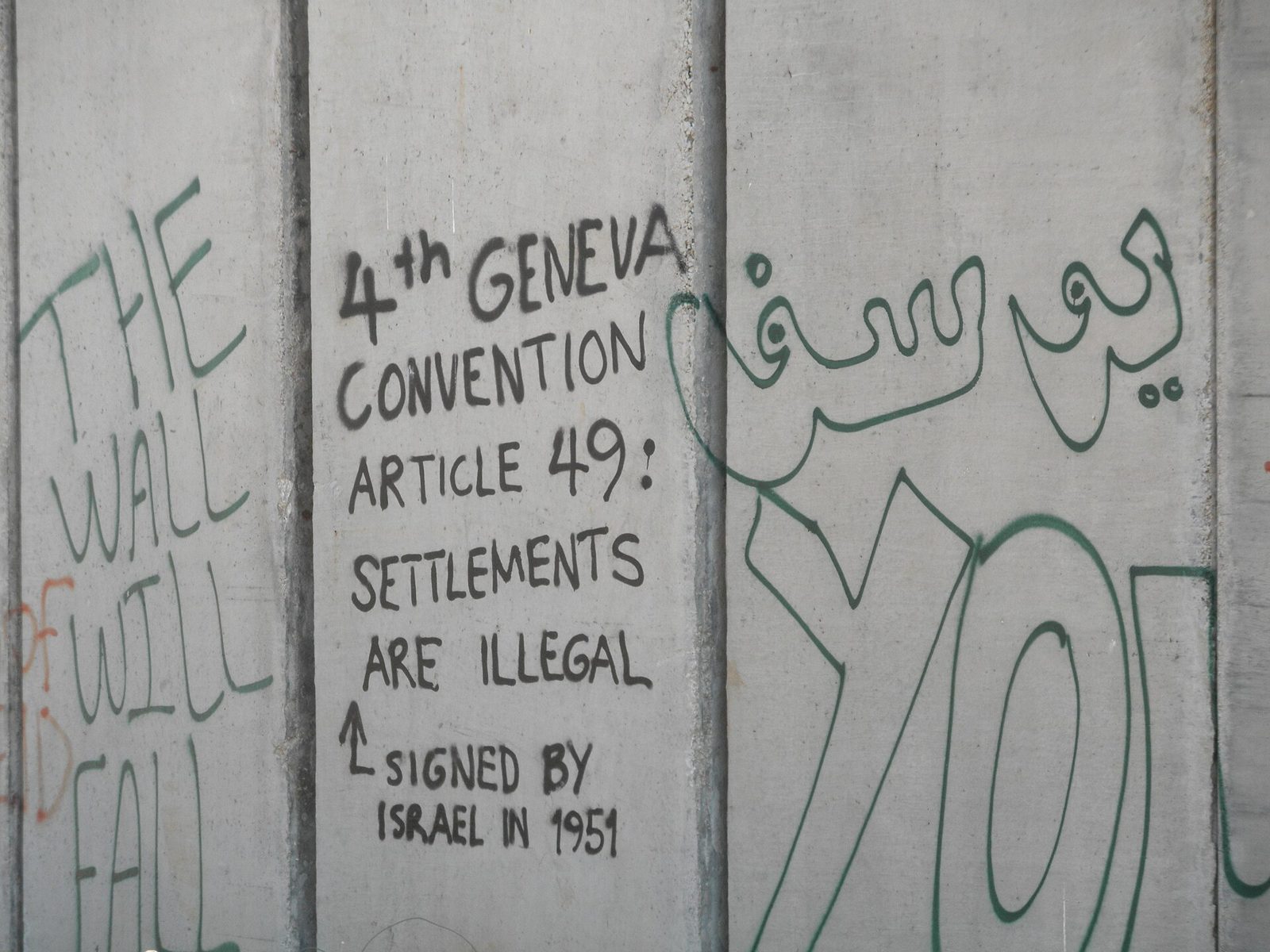
The peace process promised what it could not deliver: a just end to the conflict through negotiation. But a process without a horizon becomes a means of freezing the status quo. Settlements grew, Jerusalem was encircled, the map was cut into islands – while negotiations provided the vocabulary with which this reality was apologised for. Injustice became right, paragraph by paragraph and settlement bloc by settlement bloc.
Resistance in this situation need not mean the abandonment of politics – it means the refusal to accept injustice as law. International law, UN resolutions, boycott movements, the courts of world opinion: these too are forms of resistance, indeed the most consequential ones available to a people without an army.
Duty instead of resignation
Brecht's sentence does not call for romanticising violence; it calls for refusing normalisation with injustice. That duty falls first to those affected – but it does not end at their borders. Whoever watches injustice become right and remains silent, makes it their own right.
For the Palestinians, the lesson of the two decades is sobering and enabling at once: hope was misplaced when it was delegated. Resistance as duty means taking back the initiative – politically, legally, socially – until right is again what law claims to be.