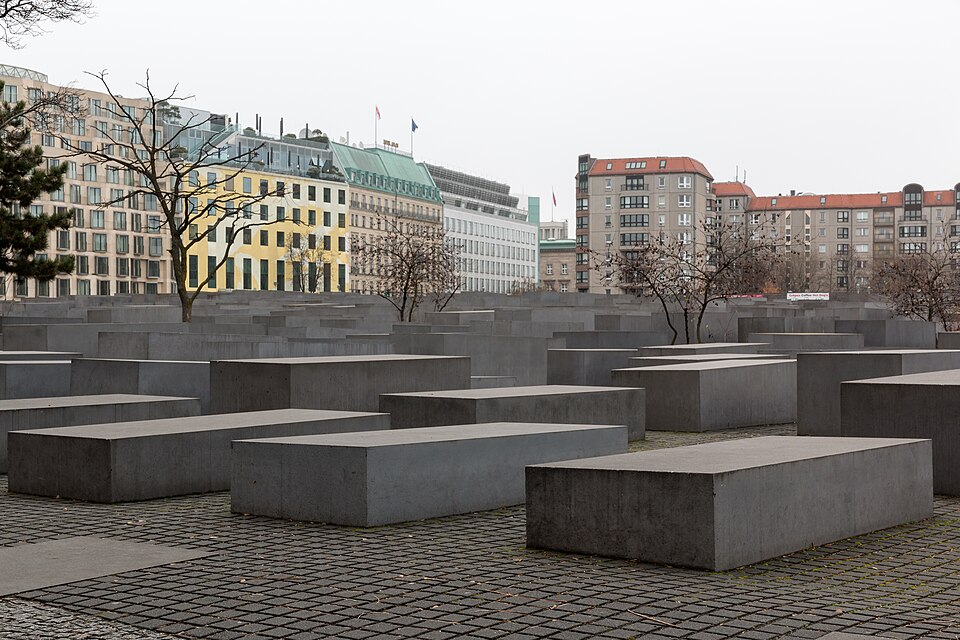
Seventy years ago, the world learned the full truth about the Nazi regime in Germany. With the liberation of the concentration camps, the world witnessed one of the cruelest crimes of the past century – and Germany's political culture has carried the consequences of this history ever since. The relationship between German politics and Jewish life remains, to this day, a measure of this country's historical responsibility.
Remembrance and its transformations
Germany has built remembrance into its institutions: memorial sites, education, the protection of Jewish life as a state duty. This is remarkable and necessary. But remembrance changes its character with the generations – from living testimony to institutional duty. The question of the future is whether this duty will be filled with substance or merely performed as ritual.
Jewish life in Germany today is diverse, self-confident and increasingly shaped by immigration from the former Soviet Union and by young Jewish Europeans who choose Berlin. This everyday normality is itself an achievement – and simultaneously exposed to antisemitic threat in a way that shows how fragile normality remains.
The Middle East as German test case
The Israeli-Palestinian conflict has become the arena in which Germany negotiates its remembrance: unconditional support for Israel is the state doctrine – and criticism of Israeli occupation policy is treated, time and again, as suspect. The result is a debate in which Jewish and Israeli voices are often instrumentalised, and in which analytical sobriety finds little space.
Mature responsibility would mean holding both: the unconditional protection of Jewish life in Germany, and a clear-eyed view of the reality of occupation and of the rights of the Palestinian people. Whoever accepts this double burden serves remembrance – whoever exploits it, betrays it.